
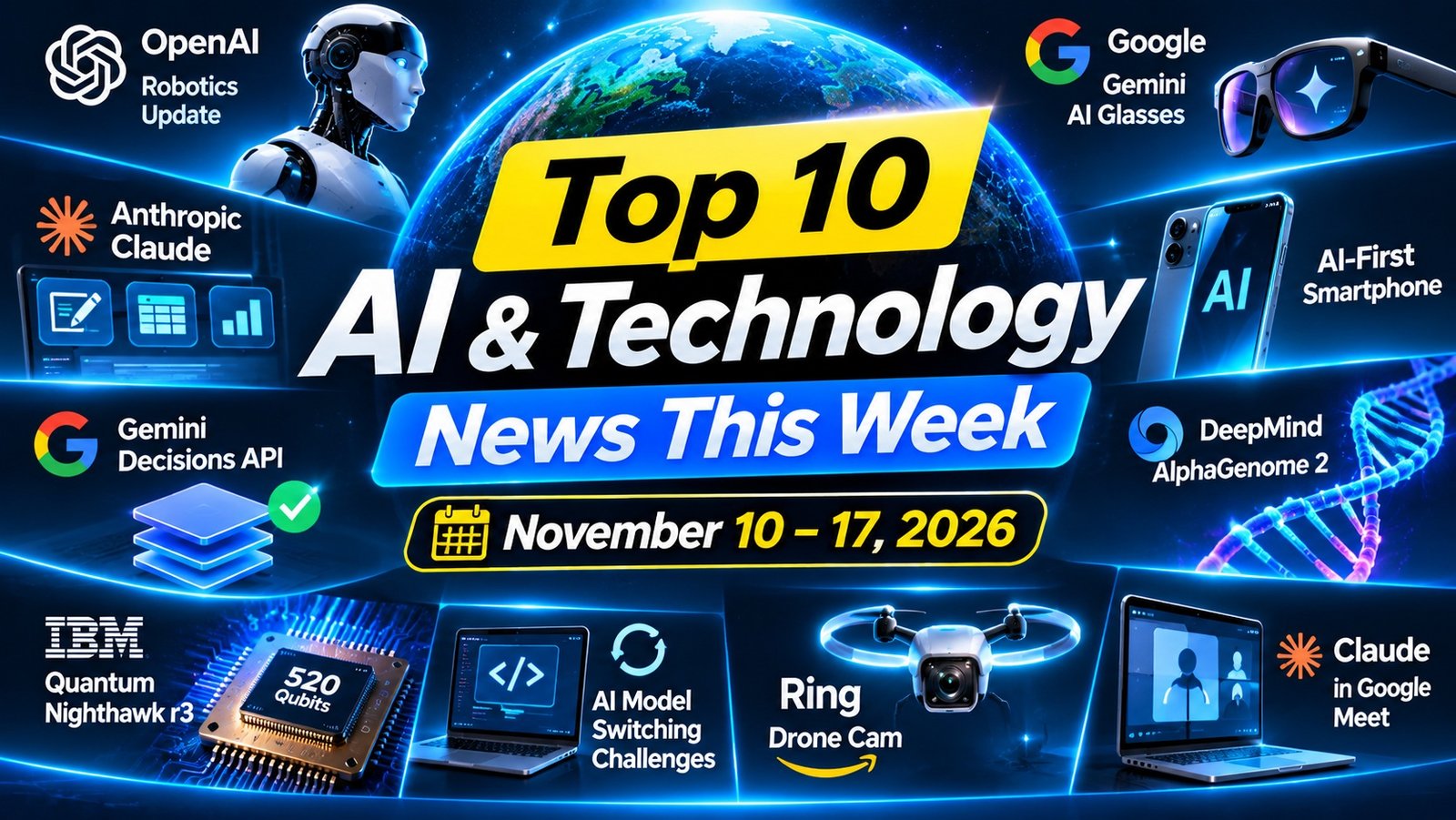
This week, OpenAI’s reported robotics developments, Google’s Gemini-powered smart glasses, Anthropic’s new productivity tools and advances in AI research are among the stories worth following.
Here are 10 important AI and technology developments from November 10 to November 17, 2026.
1. OpenAI Reportedly Moves Its Robotics Team Into Core AI Research
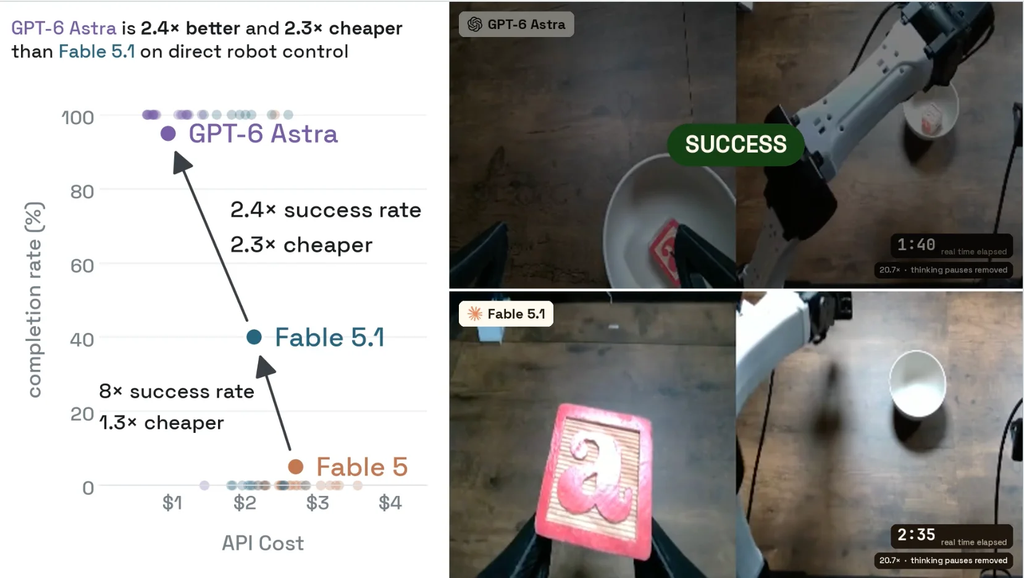
OpenAI is reportedly integrating its robotics team more closely with its main research and product groups. The company’s direction suggests that general-purpose AI models, including its GPT-6 Astra initiative, could eventually help operate robots without requiring a completely separate robotics model.
However, some employees have reportedly challenged aspects of the claims surrounding this development.
Why it matters: AI is moving beyond chatbots and software applications. General-purpose AI models could eventually help robots understand instructions, interact with their surroundings and perform physical tasks. This could become an important step towards more capable AI-powered robotics.
Source: The Rundown AI
2. Google Opens Preorders for Gemini AI Glasses Starting at $395

Google has opened preorders for its Gemini-powered AI glasses, bringing its smart eyewear ambitions closer to consumers.
According to the reported announcement, Warby Parker models start at $395, while Gentle Monster versions start at $449. The glasses are designed to bring Gemini AI capabilities into everyday activities, including answering questions, capturing photos and translating conversations.
Why It Matters
Google is entering a competitive smart glasses market where Meta’s Ray-Ban smart glasses have already attracted attention. The competition could accelerate the development of AI-powered wearables and make voice-based AI assistants more accessible in everyday life.
Source: The Rundown AI
3. Anthropic Launches Claude Whiteboards, Sheets and Data Tools
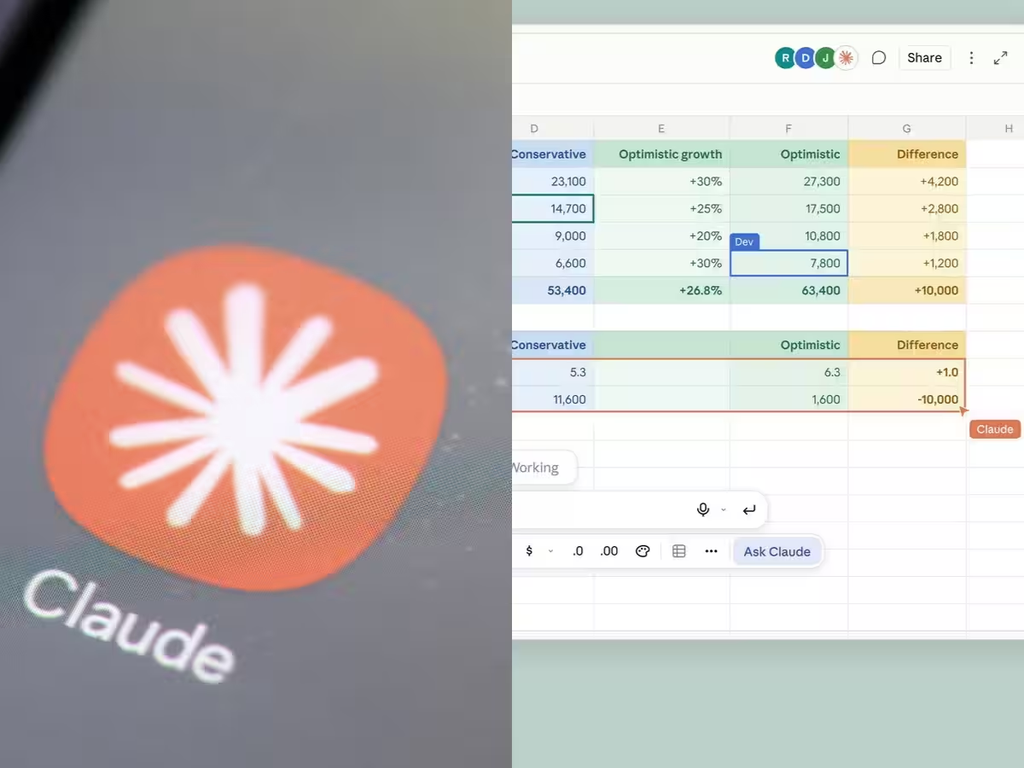
Anthropic is expanding Claude’s productivity capabilities with three new tools: Whiteboards, Sheets and Data.
Whiteboards is designed for brainstorming and visual collaboration. Sheets helps users create and manage spreadsheet-based work, while Data focuses on turning metrics into understandable insights and narrated analysis.
These tools aim to make Claude more useful for everyday professional tasks rather than limiting it to writing, research and coding.
Why It Matters
AI assistants are increasingly becoming workplace productivity platforms. By adding tools for collaboration, spreadsheets and data analysis, Anthropic is positioning Claude to compete more directly with established productivity ecosystems from companies such as Microsoft and Google.
Source: Superhuman AI
4. Ex-Google Product Manager Introduces an AI-First Smartphone
A startup co-founded by former Google product manager Omar Abdelaziz is reportedly developing an AI-first smartphone under the name Blue.
The concept focuses on reducing the need to switch between multiple traditional applications. Instead, users would interact with an AI-powered system that helps manage everyday tasks through a more unified experience.
The startup is reportedly testing an early beta version with users.
Why It Matters
Smartphones have traditionally been built around apps, menus and individual services. An AI-first phone could change that experience by allowing users to describe what they want and letting an assistant coordinate the required actions.
If this approach succeeds, it could influence how future smartphones are designed.
Source: Superhuman AI
5. Google Launches Gemini Decisions API for Faster AI Agent Decisions

Google has introduced Gemini Decision 1 alongside its Gemini Decisions API.
The system is designed to evaluate and score large numbers of decisions in a single request. According to the reported announcement, it can handle up to 1,000 questions in one request, including yes-or-no questions, multiple-choice selections and rubric-based evaluations.
Potential applications include AI agent routing, tool selection and automated decision-making workflows.
Why It Matters
AI agents often need to make repeated decisions while completing complex tasks. A specialised decision model could help these systems evaluate options more efficiently without generating lengthy text responses for every decision.
This could make large-scale AI automation workflows faster and more practical.
Source: MarkTechPost
6. Google DeepMind Releases AlphaGenome 2 for Cell-Specific DNA Research

Google DeepMind has introduced AlphaGenome 2, an AI research system designed to help scientists understand how genetic variations affect biological processes in specific cell types.
The system focuses on analysing DNA sequences and predicting the potential effects of genetic variants. It could support research into gene regulation and help scientists investigate how changes in DNA influence biological activity.
The reported announcement also notes that its API is available for non-commercial research.
Why It Matters
AI is becoming an important tool in scientific research, particularly in biology and genetics. Systems like AlphaGenome 2 could help researchers analyse complex genetic information and investigate biological questions that would otherwise require extensive computational work.
Source: MarkTechPost
7. IBM Announces Quantum Nighthawk r3 With 520 Programmable Qubits
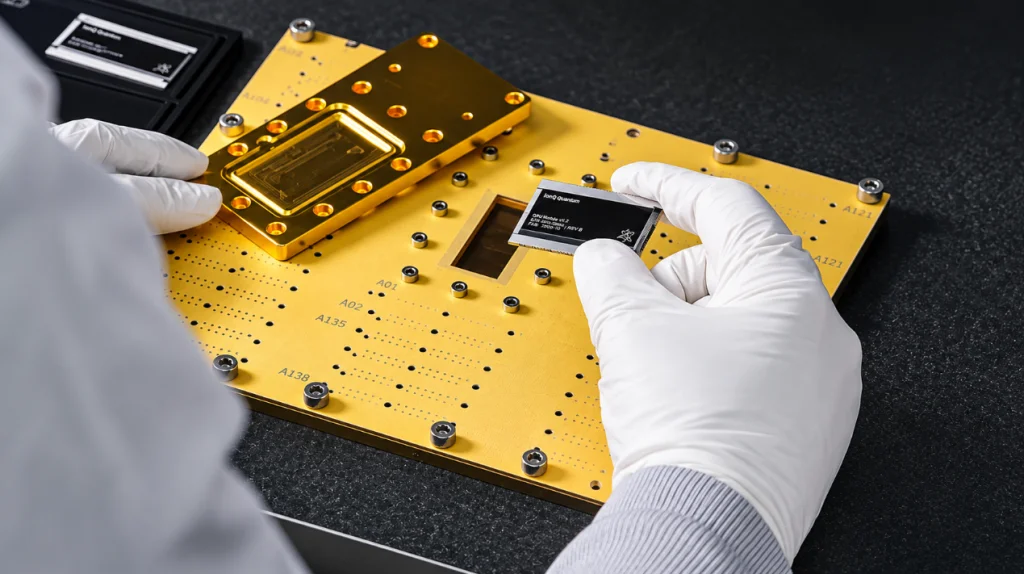
IBM has announced its next-generation superconducting quantum processor, Quantum Nighthawk r3.
The processor is designed with 520 programmable qubits and is intended to execute up to 10,000 quantum operations. IBM has also outlined plans to connect two r3 chips in 2027, potentially creating a system with 1,040 qubits.
The announcement represents another step in IBM’s longer-term quantum computing roadmap.
Why It Matters
Quantum computing is still developing, but improvements in processor capabilities could eventually help researchers explore problems that are difficult for conventional computers.
Progress in quantum hardware could have implications for scientific research, complex simulations and specialised computational applications.
Source: MarkTechPost
8. Why Switching AI Models Is More Difficult Than Companies Expect

Switching from one AI model to another might appear simple, especially when companies can access different models through APIs. However, enterprise adoption is revealing a more complicated picture.
A VentureBeat report highlights the challenges businesses face when changing AI models. According to the reported survey, 45% of organisations had to rework their applications or roll back changes after switching models.
The issue can involve differences in model behaviour, application compatibility, integrations and existing workflows.
Why It Matters
Businesses should not choose AI models based only on performance or pricing. They also need to consider application architecture, compatibility, testing requirements and the cost of integrating a different model.
As more AI models enter the market, flexibility and reliable integration will become increasingly important for enterprise AI systems.
Source: VentureBeat AI
9. Amazon Introduces Ring Drone Cam, a Flying Home Security Camera
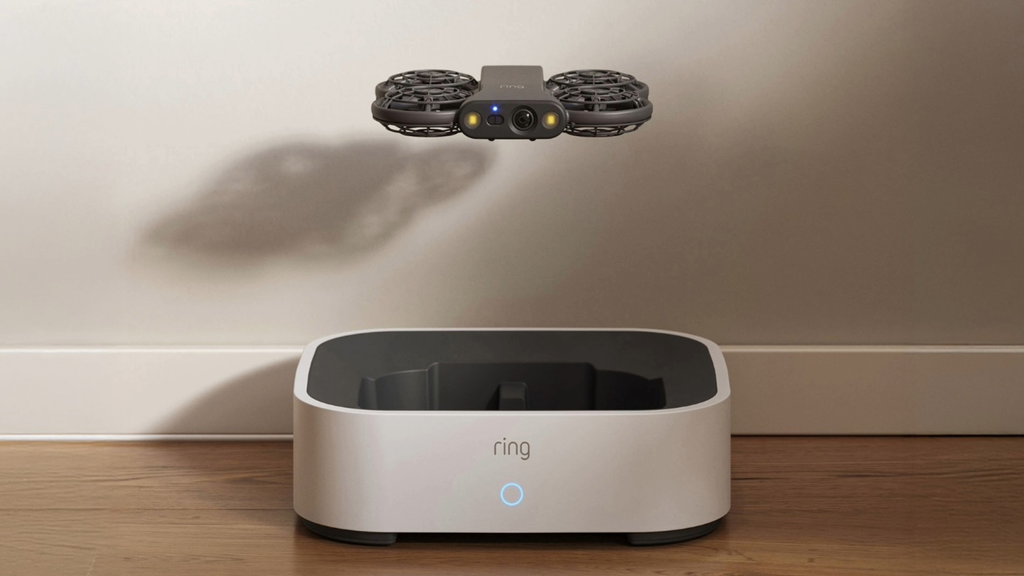
Amazon’s Ring brand has introduced a flying security camera concept called the Ring Drone Cam.
Unlike traditional stationary security cameras, this device is designed to move around indoors and investigate possible security events, such as triggered alarms or suspected break-ins.
The reported announcement lists a price of $270. However, a flying camera inside the home also raises important questions about privacy, safety and surveillance.
Why It Matters
Home security technology is moving beyond fixed cameras and motion sensors. Combining robotics with intelligent monitoring could make security systems more responsive, but manufacturers will also need to address privacy and user control.
Source: Superhuman AI
10. Anthropic Brings Claude Into Google Meet for Real-Time Meeting Assistance
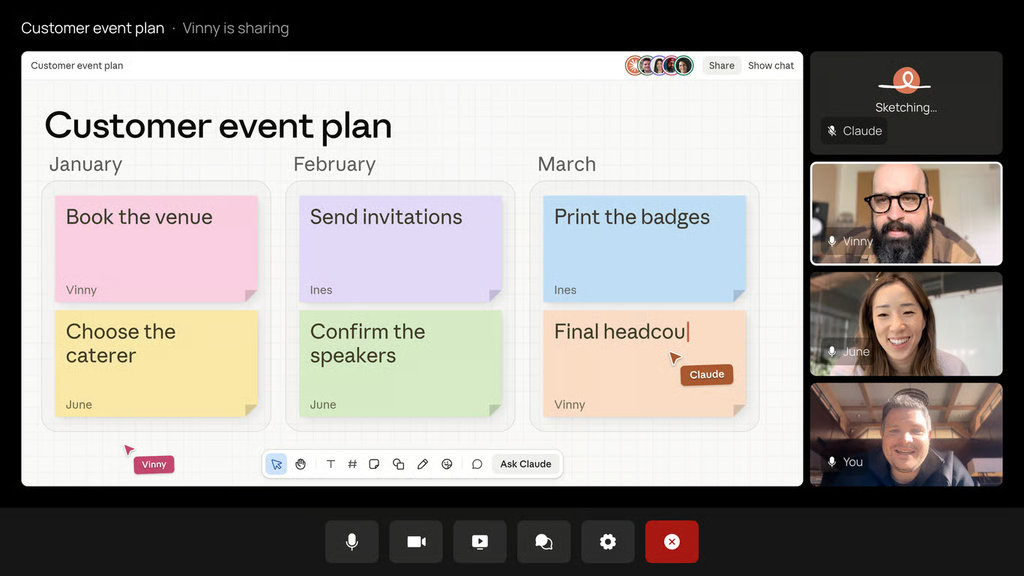
Anthropic is bringing Claude into team meetings through a feature called Claude Meetings.
The assistant can reportedly participate in video calls, follow conversations, take notes and begin working on tasks discussed during meetings.
The initial rollout is reported to support Google Meet for Team and Enterprise plans.
This approach moves AI meeting assistants beyond simple transcription and post-meeting summaries.
Why It Matters
AI assistants are becoming more involved in everyday workplace collaboration. Instead of only summarising what happened, they could help teams track decisions, organise information and begin follow-up work while discussions are still taking place.
Source: Superhuman AI
Q1. What are the biggest AI news stories this week?
OpenAI’s reported robotics shift, Google’s Gemini AI glasses, Anthropic’s Claude productivity tools and Google’s Gemini Decisions API are among this week’s notable developments.
Q2. What are the latest AI technology trends in November 2026?
AI agents, smart wearables, robotics, specialized AI models, biological research and quantum computing are important themes in this week’s coverage.
Q3. How is AI changing everyday technology?
AI is increasingly being integrated into smartphones, workplace tools, video meetings, smart glasses and home security systems.