
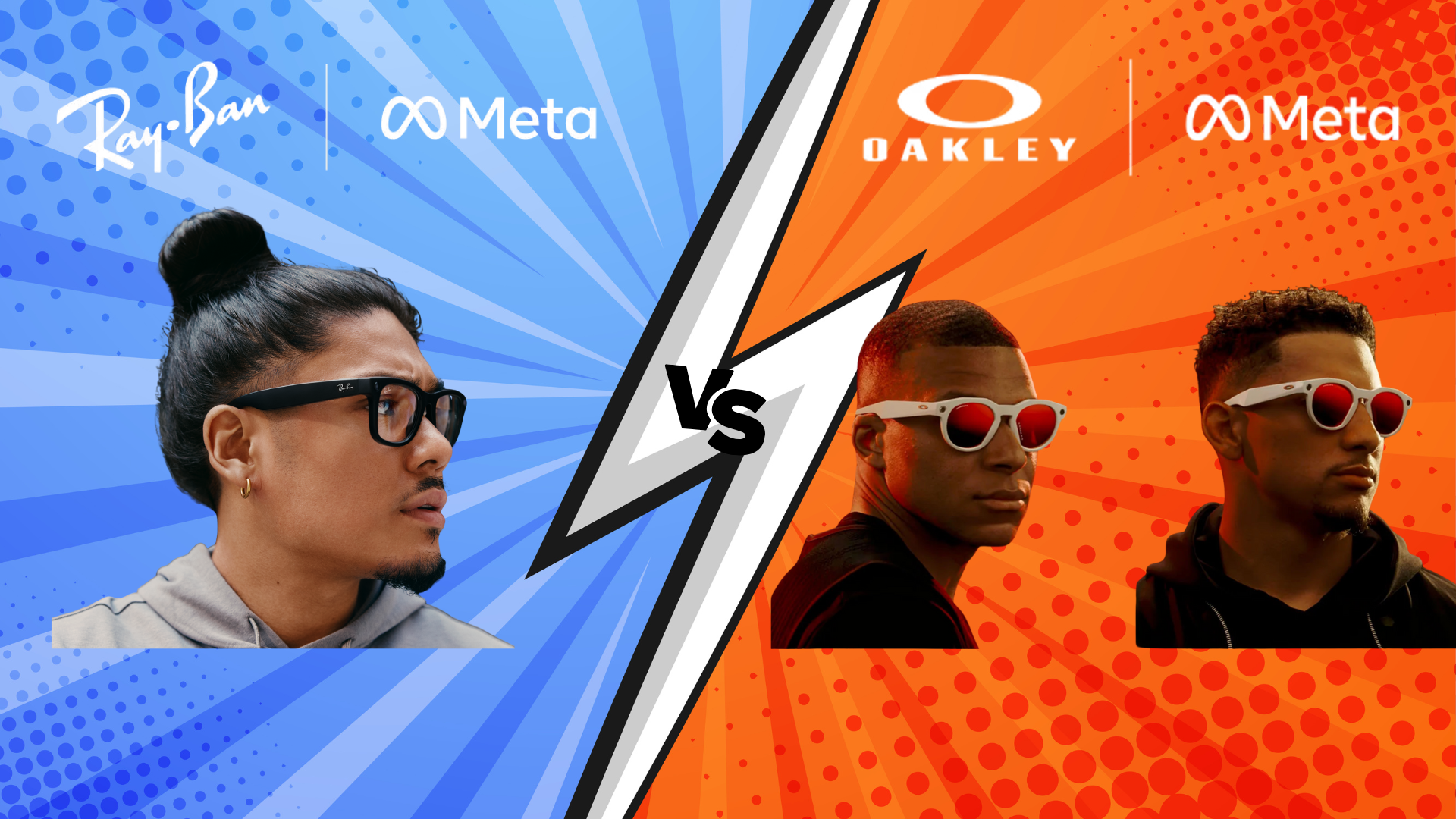
Meta’s Oakley Smart Glasses But there is a new question worth asking: Can Oakley Meta smart glasses actually beat Ray-Ban Meta?
The answer depends on what you expect from your glasses. Oakley Meta is designed with athletes and active users in mind, while Ray-Ban Meta focuses more on everyday wear, photography, and casual AI assistance. Both offer Meta AI, cameras, microphones, and open-ear audio, but their designs and intended audiences are different.
Recent developments have made this comparison even more interesting. Smart-glasses sales are growing, new models are reaching additional markets, and users are beginning to question whether these devices are genuinely useful in everyday life.
Let’s compare the two product families and explore what their growing popularity means for the future of wearable technology.
Why Oakley Meta Smart Glasses Are Getting Attention
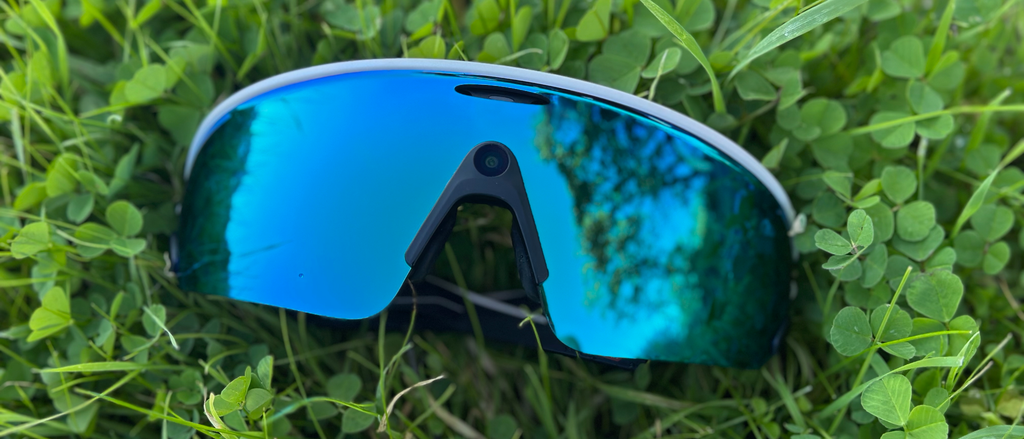
Oakley Meta is attracting attention because it brings artificial intelligence into performance-focused eyewear.
Traditional smart glasses have generally focused on everyday activities such as taking photos, recording short videos, listening to music, and answering calls. Oakley takes a different approach by targeting runners, cyclists, outdoor enthusiasts, and people who want technology that fits into an active lifestyle.
The Oakley Meta lineup includes two important models:
- Oakley Meta HSTN: A lifestyle-focused performance model with AI features, a camera, and open-ear audio.
- Oakley Meta Vanguard: A more sport-focused design built for high-intensity activities, with stronger water and dust resistance and fitness integrations.
The Vanguard is particularly interesting because it connects with services such as Garmin and Strava. Users can access workout-related information and capture their activities without constantly reaching for a smartphone.
Meta has positioned Vanguard as performance-oriented eyewear, rather than simply another pair of camera sunglasses. You can explore its official product details in Meta’s AI glasses comparison guide.
What Makes Oakley Meta Different From Ray-Ban Meta?
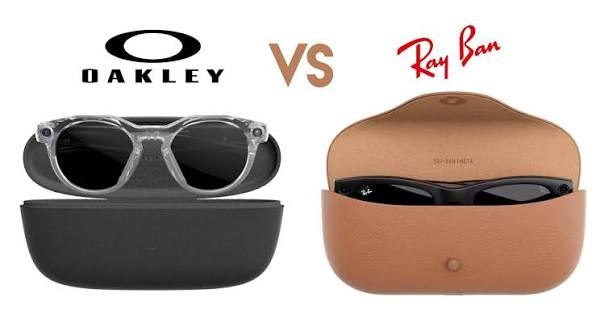
The biggest difference is the experience each brand is trying to deliver.
Ray-Ban Meta is designed to look like familiar everyday eyewear. It suits people who want to capture moments, listen to music, make calls, and use Meta AI while going about their day.
Oakley Meta has a more athletic appearance. Its frames are designed for movement, outdoor environments, and sports-related use.
This difference matters because smart glasses need to feel comfortable and useful before people will wear them regularly.
A content creator may prefer Ray-Ban’s familiar styling, while a cyclist may appreciate Oakley’s more secure, performance-oriented design.
Neither product family is automatically better for everyone. The right choice depends on how you plan to use it.
Oakley Meta vs Ray-Ban Meta: Key Differences
| Feature | Oakley Meta HSTN / Vanguard | Ray-Ban Meta |
|---|---|---|
| Main audience | Athletes and active users | Everyday users and creators |
| Design | Sporty, performance-focused | Classic everyday eyewear |
| AI assistant | Meta AI | Meta AI |
| Camera | 12MP camera | 12MP camera on supported models |
| Video | Up to 3K on supported models | Up to 3K on newer models |
| Audio | Open-ear speakers | Open-ear speakers |
| Fitness features | Garmin and Strava integrations on Vanguard | More general everyday use |
| Water resistance | HSTN IPX4; Vanguard IP67 | Depends on model |
| Best use | Sports and outdoor activities | Everyday photos, calls and AI |
Specifications vary by model, generation, and regional availability. Check the manufacturer’s current product information before purchasing.
Meta’s official product guide describes Vanguard’s IP67 rating, performance integrations, and centre-mounted 12MP camera. It positions Ray-Ban Meta more toward everyday creators and social sharing.
Camera, Audio and AI Features
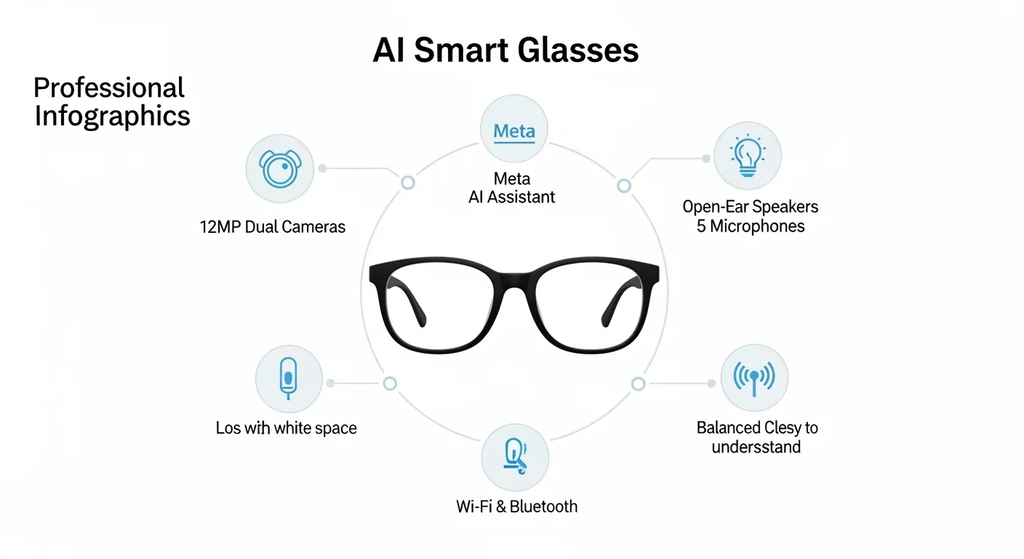
One of the biggest reasons people are interested in Meta’s smart glasses is that they bring useful technology into a familiar object.
Hands-Free Photography and Video
Both product families allow users to capture moments without holding a smartphone.
This can be useful for:
- Recording outdoor activities.
- Capturing first-person travel videos.
- Creating social media content.
- Taking quick photographs while walking.
- Recording moments when both hands are occupied.
For creators, this hands-free approach can make content capture more natural.
However, smart glasses should not be confused with professional cameras. Image quality, framing, lighting, and recording duration still matter.
Meta AI Integration
Meta AI is a central part of the experience.
Users can activate the assistant with voice commands and ask questions about what they see, depending on the features available in their region and software version.
Potential uses include identifying objects, getting information, asking for recommendations, and accessing hands-free assistance.
Meta has also announced plans to bring its Muse personal AI agent to its glasses ecosystem. Muse is intended to make the assistant more context-aware and useful in everyday situations.
Read Meta’s October 2026 AI glasses announcement for the latest information about its India lineup and planned features.
Open-Ear Audio
Both product families use open-ear speakers, allowing users to listen to audio while remaining more aware of their surroundings than they might with conventional earbuds.
This can be useful for calls, music, podcasts, and voice interactions.
The experience is not designed to replace high-end headphones, but it offers convenience when users want to keep their ears uncovered.
Why Oakley Meta Vanguard Is Interesting for Athletes

The Vanguard is arguably the most distinctive product in the Oakley Meta lineup.
Its design targets people who spend time running, cycling, training, or exploring outdoors.
Some of its important features include:
- Wraparound sports-oriented design.
- IP67 water and dust resistance.
- A centre-mounted 12MP camera.
- Open-ear speakers.
- Garmin and Strava integration.
- Workout-related summaries through the Meta AI app.
For example, a cyclist could record a first-person video during a ride and use compatible fitness integrations to review workout information.
A runner might find hands-free access to audio and activity information more convenient than repeatedly checking a phone.
However, there is an important limitation: these glasses are not a complete replacement for a dedicated sports watch, action camera, or smartphone.
Their usefulness depends on compatible services, connectivity, software support, and the type of activity.
Latest Smart Glasses Developments in 2026
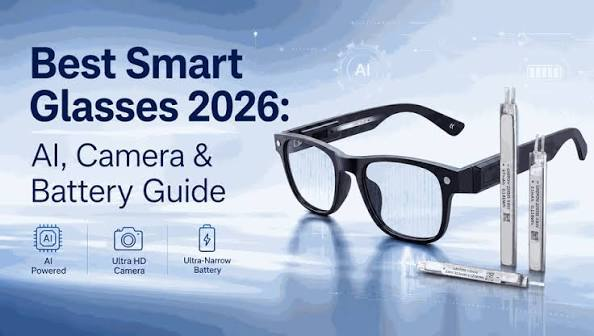
The growing interest in Oakley Meta is part of a much larger change in the wearable technology market.
Smart-Glasses Sales Continue to Grow
EssilorLuxottica, the company behind Ray-Ban and Oakley, reported that sales of smart glasses produced with Meta increased by 20% in the third quarter of 2026.
This is a notable sign that AI-powered eyewear is becoming a meaningful part of the consumer technology market.
However, the reported growth covers the smart-glasses business overall. It does not prove that Oakley has outsold Ray-Ban individually.
Read the Wall Street Journal’s report on EssilorLuxottica’s smart-glasses sales.
Meta Expands Its AI Glasses Lineup in India
In October 2026, Meta announced Ray-Ban Meta Gen 3 availability in India, with a slimmer design, improved battery life, a customizable action button, and new camera features.
Meta also announced its Ray-Ban Meta Audio glasses and plans to bring Muse to its AI glasses.
The company said Ray-Ban Meta Gen 3 starts at ₹44,300 in India. This announcement shows that Meta is expanding its eyewear strategy beyond one product design.
See the official Meta India announcement.
Meta Still Has a Strong Position in the Market
IDC reported that Meta held 68.7% of the overall XR glasses and headset market it tracked in Q2 2026.
The research also found that display-less audio glasses accounted for 70.3% of shipments in that quarter.
These figures are important, but they should not be interpreted as Oakley-specific market share. They reflect Meta’s wider position across the market.
Read IDC’s smart-glasses market analysis.
The Problem: Smart Glasses Still Depend on Smartphones

Despite their impressive features, smart glasses are not completely independent devices.
Many functions rely on a connected smartphone, an app, internet access, and compatible services.
A recent review published by Mint on October 26, 2026, raised practical questions about the Oakley Meta Vanguard experience. The review discussed smartphone dependence, usability, and whether the glasses provide enough value for everyday sports and entertainment use.
This is an important reminder that impressive specifications do not always translate into a better real-world experience.
Before buying, users should consider:
- How well the glasses work without their phone nearby.
- Whether their preferred fitness apps are supported.
- How comfortable the frames feel during longer activities.
- Whether battery life is sufficient for their routine.
- Whether the camera and audio features justify the price.
Read the Mint review of Oakley Meta Vanguard.
Privacy Concerns: The Other Side of AI Smart Glasses
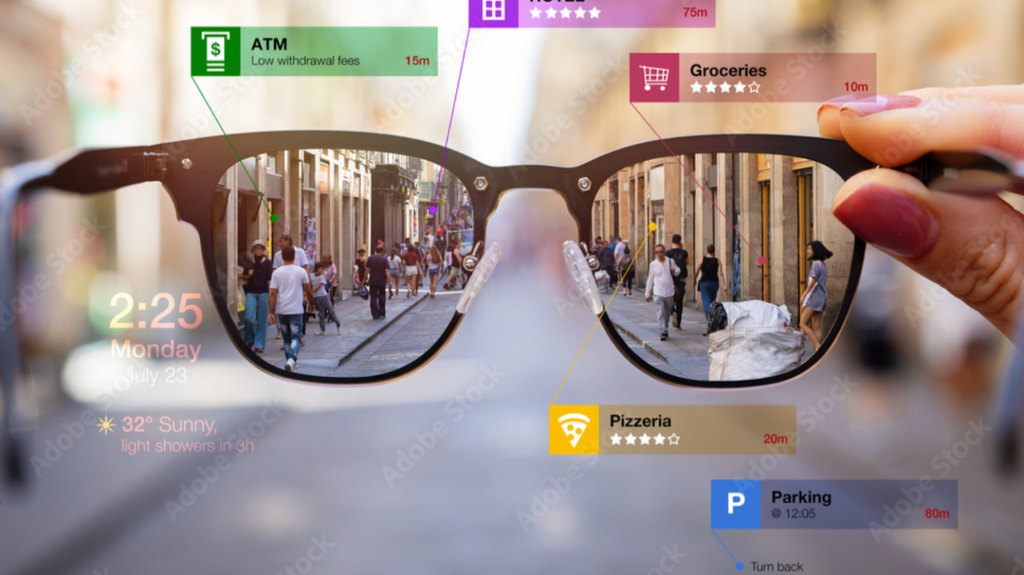
Smart glasses introduce a privacy question that traditional sunglasses do not.
Because they include cameras and microphones, people around the wearer may not always know when they are being recorded.
Meta includes a recording indicator light to help communicate when the camera is active. However, a visible indicator does not remove every privacy concern.
In October 2026, Reuters reported that a Dutch eyewear retailer had halted sales of Meta’s Ray-Ban smart glasses in the Netherlands and Belgium amid privacy concerns.
The discussion highlights an important challenge for the entire smart-glasses industry: making wearable cameras useful without making people around the wearer uncomfortable.
Users should follow local recording and privacy laws, avoid recording people in sensitive situations without permission, and respect workplace and venue policies.
Read Reuters’ report on privacy concerns surrounding Meta glasses.
Which Smart Glasses Should You Choose?
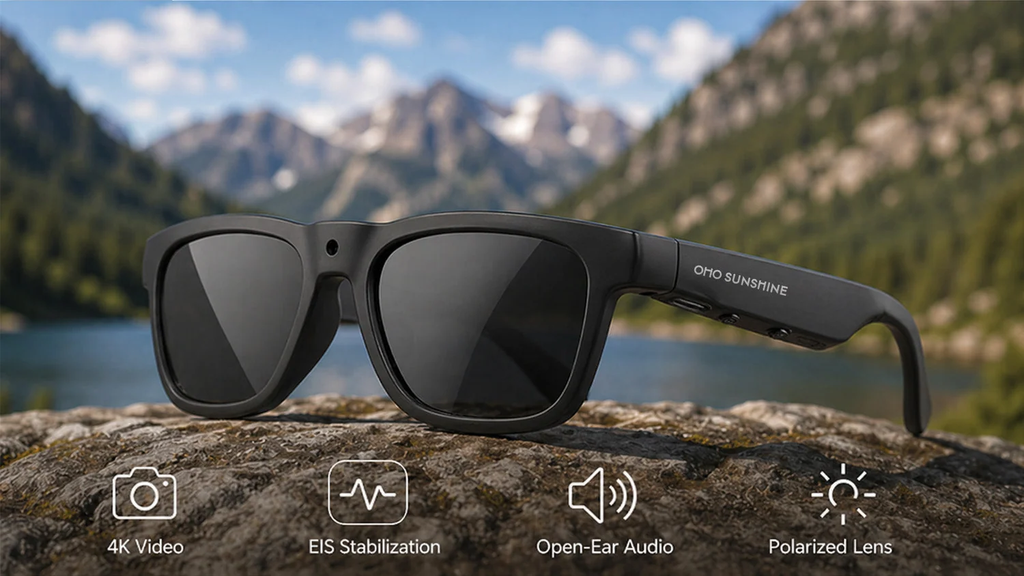
The best option depends on your lifestyle, not just the brand name.
Choose Oakley Meta if:
- You regularly run, cycle, or participate in outdoor sports.
- You prefer a sporty frame.
- You want compatible fitness integrations.
- You need a more performance-focused design.
- You value additional water and dust resistance on Vanguard.
Choose Ray-Ban Meta if:
- You want smart glasses for everyday use.
- You create social media content.
- You prefer a classic eyewear design.
- You frequently take hands-free photos and videos.
- You want an everyday AI assistant.
Is Oakley Meta Worth the Upgrade?
For athletes and outdoor enthusiasts, Oakley Meta can offer meaningful advantages.
For everyday users, Ray-Ban Meta may be the more practical choice because it focuses on familiar styling and general-purpose features.
The extra performance features of Oakley may not be worth paying for if you rarely exercise or use fitness integrations.
Before choosing either model, check the latest regional pricing, supported features, prescription compatibility, and warranty.
The Future of AI-Powered Smart Glasses

The competition between Oakley Meta and Ray-Ban Meta is about more than two eyewear brands.
It represents a bigger shift in how people may interact with artificial intelligence.
Instead of opening an app or looking at a smartphone screen, users could increasingly access digital assistants through devices they already wear.
Future smart glasses may offer more natural conversations, improved contextual awareness, better battery efficiency, stronger privacy controls, and deeper integrations with everyday services.
However, the industry still needs to solve several challenges, including smartphone dependence, comfort, battery life, recording privacy, and long-term usefulness.
The winners will not necessarily be the glasses with the most features. They will be the products that people genuinely want to wear every day.
Frequently Asked Questions
1. Are Oakley Meta smart glasses better than Ray-Ban Meta?
Oakley Meta is better suited to sports and active lifestyles, particularly the Vanguard model. Ray-Ban Meta is generally more suitable for everyday use, casual photography, and social media content. Neither is universally better.
2. What is the difference between Oakley Meta HSTN and Vanguard?
HSTN offers a sporty everyday design with AI features, while Vanguard is built for higher-intensity activities. Vanguard adds IP67 water and dust resistance and fitness integrations such as Garmin and Strava.
3. Do Oakley Meta glasses have Meta AI?
Yes. Oakley Meta glasses include Meta AI, allowing users to access supported voice-based assistance and other AI features.
4. Can Oakley Meta glasses record videos?
Yes. Supported Oakley Meta models include a built-in camera for hands-free photo and video capture. Recording quality and available features vary by model.
5. Do Oakley Meta glasses work without a smartphone?
Many features rely on a connected smartphone and the Meta AI app. They should not be treated as fully independent devices.
6. Are Oakley Meta glasses waterproof?
The Oakley Meta HSTN has an IPX4 rating, while Oakley Meta Vanguard has an IP67 rating. These ratings are different, so users should check the exact model’s water-resistance guidance before using it around water.
7. Are Meta smart glasses available in India?
Meta announced Ray-Ban Meta Gen 3 availability in India in October 2026, with a starting price of ₹44,300. Availability and pricing for Oakley models should be checked through authorized local retailers.
8. Are smart glasses safe for privacy?
They can be used responsibly, but camera-equipped glasses raise privacy concerns. Users should respect consent, recording rules, and local laws when capturing or sharing images and videos.
Final Verdict: Oakley Meta or Ray-Ban Meta?
Oakley Meta does not need to replace Ray-Ban Meta to be successful. It serves a different audience.
Ray-Ban remains a strong option for everyday smart eyewear, while Oakley brings a more athletic approach with performance-focused features.
The bigger story is that Meta is turning eyewear into a new platform for AI, communication, photography, and fitness technology.
The real competition is no longer just about which glasses look better. It is about which pair makes artificial intelligence genuinely useful in everyday life.