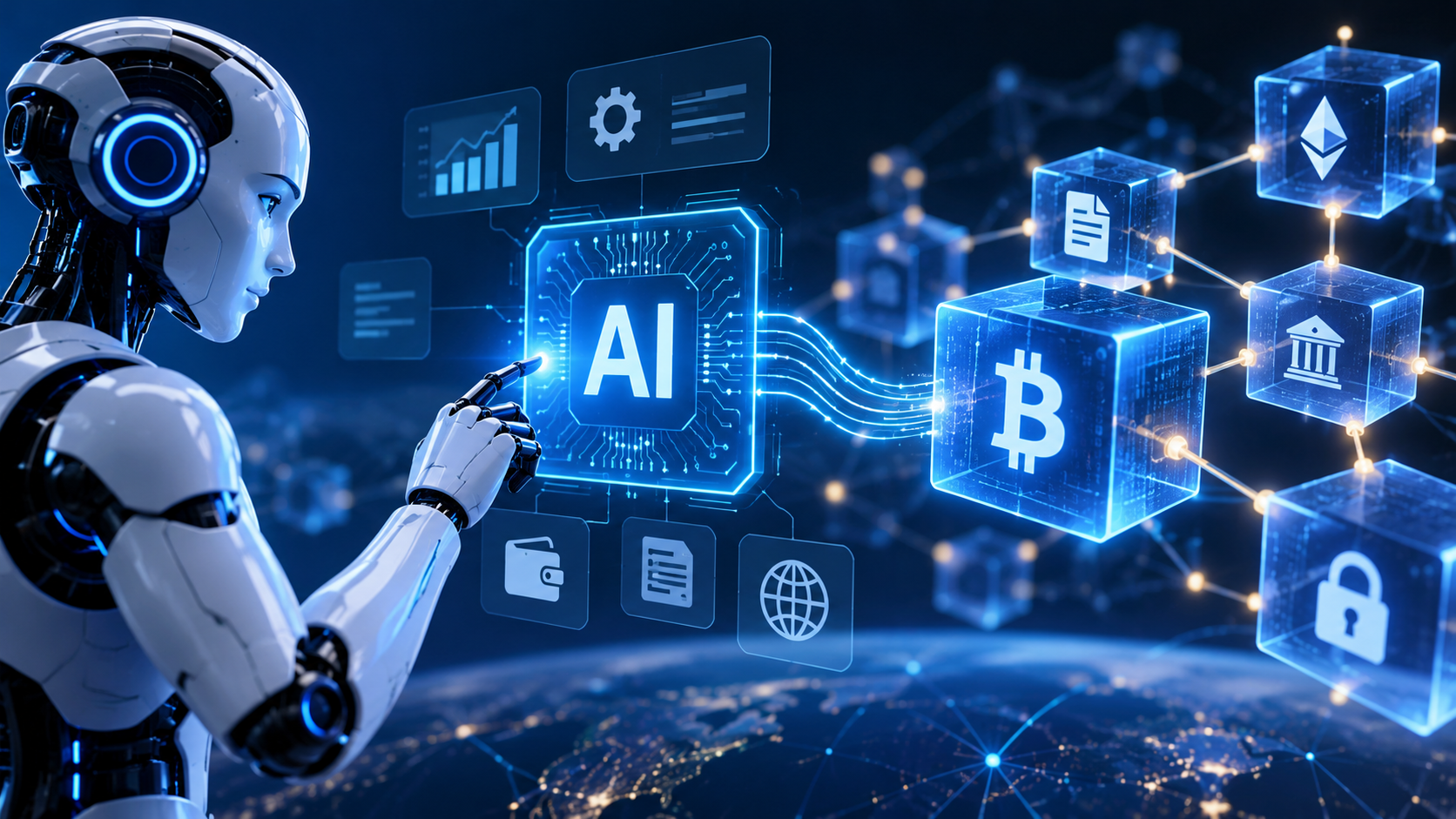
Artificial intelligence is making technology smarter, while blockchain is making digital systems more transparent and secure. Together, AI and blockchain are creating new possibilities for autonomous systems that can analyse information, make decisions, and perform blockchain transactions with minimal human intervention.
These systems are often called autonomous AI agents. They can interact with smart contracts, access blockchain data, manage digital assets, and coordinate with other agents. As Web3 continues to evolve, this combination could change how businesses manage payments, financial services, digital identities, and automated operations.
What Is Autonomous On-Chain Intelligence?
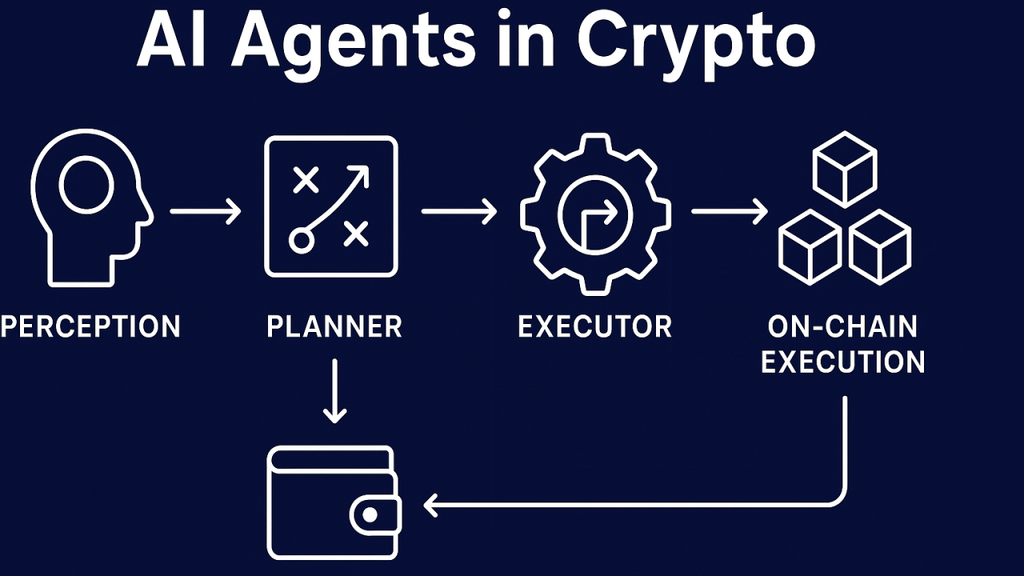
Autonomous on-chain intelligence refers to AI-powered systems that can independently interact with blockchain networks and execute predefined actions.
Unlike traditional automation, which follows fixed instructions, AI agents can analyse information, respond to changing conditions, and select actions based on their objectives.
For example, an AI agent could monitor a decentralised finance platform, analyse market conditions, and interact with a smart contract when specific conditions are met.
To understand how these systems work, explore Ethereum’s guide to AI agents, which explains how AI agents can interact with blockchain infrastructure.
Why Are AI and Blockchain Coming Together?
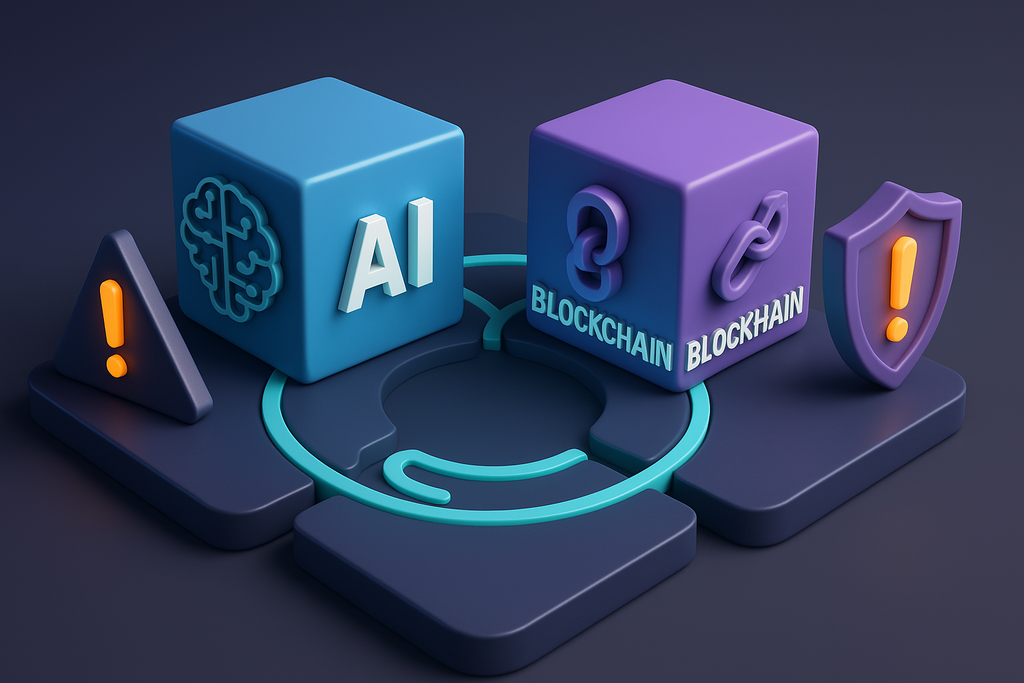
AI and blockchain solve different but complementary problems.
- AI provides intelligence: It helps systems understand information, recognise patterns, and make decisions.
- Blockchain provides transparency: It creates verifiable records of transactions and interactions.
- Smart contracts provide automation: They execute predefined actions when specific conditions are satisfied.
- Decentralised infrastructure provides coordination: It allows multiple systems and participants to interact without relying entirely on one central authority.
Together, these technologies can support automated systems that are intelligent, traceable, and programmable.
How Do AI Agents Interact With Blockchain?
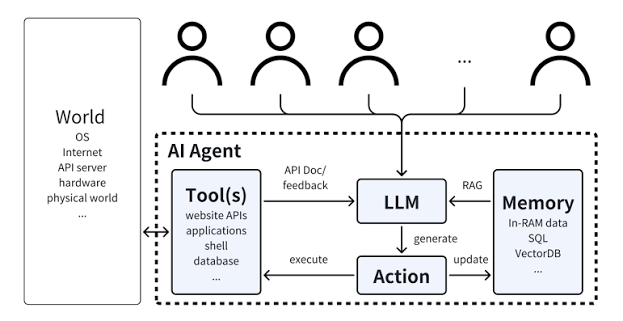
AI agents can connect to blockchain networks through wallets, APIs, smart contracts, and specialised development tools.
A typical process looks like this:
- An AI agent receives a task or objective.
- It collects information from blockchain data or external sources.
- It analyses the available information.
- It selects an action based on its instructions and permissions.
- It submits a transaction through a blockchain wallet.
- The blockchain records the transaction after network validation.
Developers can explore Coinbase AgentKit, a toolkit designed to help developers connect AI agents with on-chain capabilities.
However, agents should operate with carefully defined permissions, spending limits, and human approval for high-risk actions.
Key Technologies Powering On-Chain AI
1. Smart Contracts
Smart contracts are programs stored on blockchain networks. They automatically execute actions when predefined conditions are met.
AI agents can interact with these contracts to automate payments, manage digital assets, and perform other blockchain operations.
2. Account Abstraction
Account abstraction makes blockchain accounts more flexible and programmable. It can support features such as transaction batching, sponsored gas fees, and customised security rules.
Read the Ethereum Account Abstraction documentation to understand how programmable accounts can improve blockchain interactions.
3. Decentralised Identity
AI agents need ways to prove their identity and permissions when interacting with other systems.
Blockchain-based identity solutions can help create verifiable records of agent identities, credentials, and activity.
4. Blockchain Oracles
AI agents sometimes need information that does not exist directly on a blockchain, such as weather updates, market prices, or external business data.
Blockchain oracles help bring this information into smart contracts. Chainlink is developing infrastructure that helps AI agents access verified data and interact with blockchain services.
5. Agent-to-Agent Payments
In the future, AI agents may pay other agents for data, computing resources, or specialised services.
This could support automated digital marketplaces where agents coordinate tasks and settle payments without requiring manual intervention for every transaction.
Latest AI and Blockchain Developments in 2026
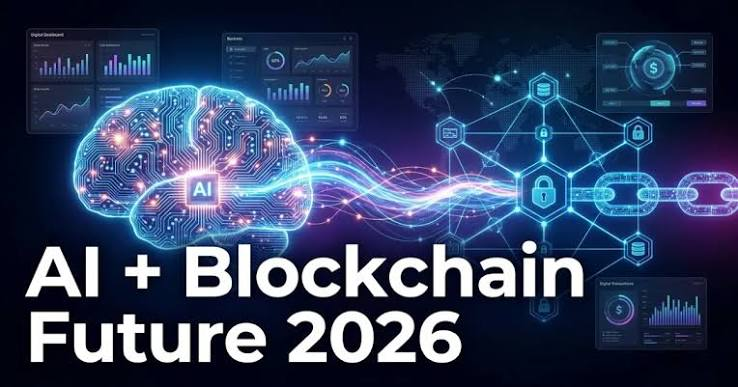
The connection between AI agents and blockchain infrastructure is receiving increasing attention.
- Chainlink for Agents: Chainlink is developing tools that help AI agents access data, interact with blockchain networks, and execute transactions. Explore Chainlink for Agents.
- Olas ecosystem: Olas has reported more than 20 million lifetime on-chain transactions involving its autonomous agent ecosystem in its Q3 2026 update. Read the Olas Q3 2026 report.
- Research into trustworthy AI agents: A 2026 research paper explores how blockchain can support agent identity, verifiable credentials, and reputation systems. Read the research published by Wiley.
- Ritual Chain: Ritual announced an AI-focused blockchain infrastructure project in October 2026. Read the Ritual Chain announcement.
These developments show growing interest in making AI agents more capable of interacting with decentralised systems. However, many applications are still experimental and require careful security testing.
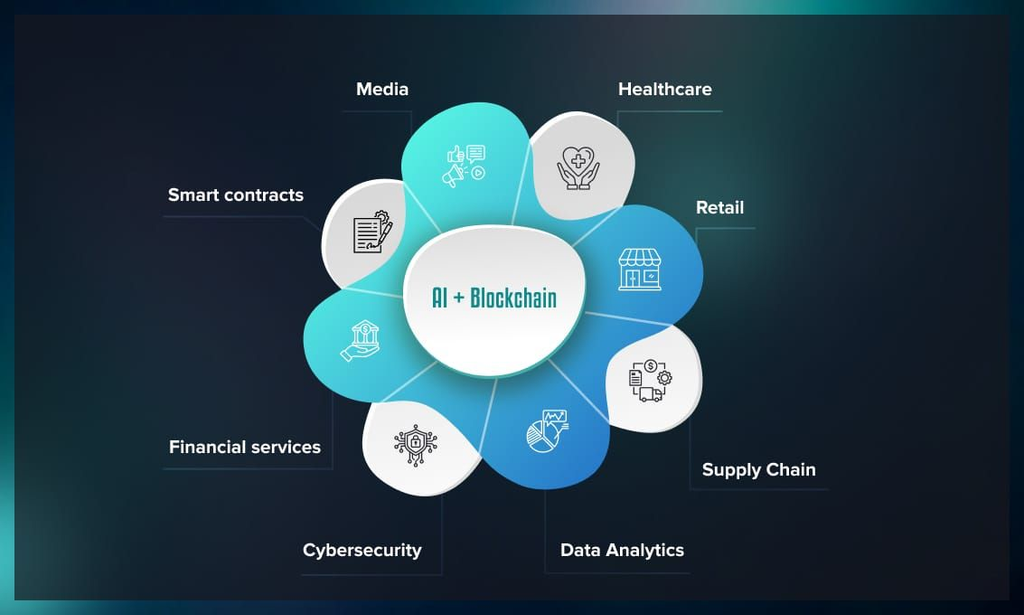
Real-World Applications of AI and Blockchain
Decentralised Finance (DeFi)
AI agents could monitor lending rates, analyse market conditions, and interact with DeFi protocols. With suitable safeguards, they may help automate portfolio monitoring and routine financial operations.
Automated Payments
Businesses could use AI agents to process eligible payments, verify transaction conditions, and coordinate recurring payments through smart contracts.
Supply Chain Management
AI can analyse supply chain information, while blockchain can provide a shared record of product movements and transactions. Together, they could improve traceability and help identify unusual activity.
Digital Marketplaces
Autonomous agents could search for services, compare available options, negotiate within predefined limits, and complete payments through blockchain-based systems.
Gaming and Digital Ownership
AI-powered characters and agents could interact with blockchain-based gaming environments, manage digital assets, and participate in automated marketplace activities.
Benefits of Combining AI and Blockchain
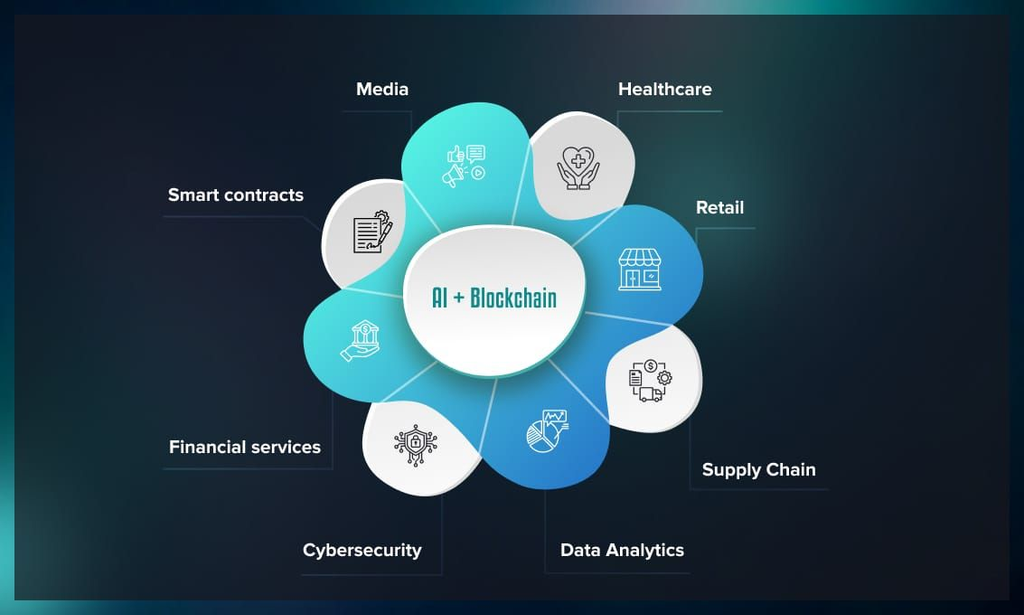
The combination of these technologies offers several potential advantages:
- Automation: AI agents can handle repetitive digital tasks.
- Transparency: Blockchain records can make transactions easier to verify.
- Efficiency: Automated workflows can reduce manual coordination.
- Programmability: Smart contracts allow businesses to define specific execution rules.
- Interoperability: Blockchain infrastructure can help different applications coordinate through shared standards.
These benefits depend on the quality of the underlying systems and how carefully they are implemented.
Security Risks and Challenges

Despite the opportunities, autonomous on-chain intelligence introduces important risks.
AI decision-making errors: AI agents can misunderstand instructions or make incorrect decisions.
Wallet security: An agent with excessive wallet permissions could transfer funds or perform unwanted transactions.
Smart contract vulnerabilities: Bugs in smart contracts may expose digital assets to attacks.
Manipulated data: AI agents relying on inaccurate external information may execute incorrect actions.
Accountability: It can be difficult to determine responsibility when an autonomous agent performs an unexpected transaction.
Businesses should use restricted wallet permissions, transaction limits, monitoring systems, secure smart contracts, and human approval for sensitive operations.
How Businesses Can Start Using AI and Blockchain
Businesses do not need to build a completely autonomous system from day one. A gradual approach is more practical.
- Identify a suitable task: Start with a repetitive workflow such as payment verification or transaction monitoring.
- Choose the right blockchain: Evaluate network security, transaction costs, and ecosystem support.
- Build a controlled AI agent: Give the agent only the permissions required for its assigned task.
- Connect reliable data sources: Use trusted APIs and blockchain oracle services.
- Test before deployment: Run simulations and security assessments before allowing real transactions.
- Maintain human oversight: Keep approval processes for high-value or sensitive operations.
This approach helps businesses explore automation without giving AI systems unrestricted control over financial or operational activities.
The Future of Autonomous On-Chain Intelligence
AI and blockchain are moving towards a future where intelligent software can coordinate tasks, interact with digital services, and execute transactions automatically.
As agent identity, programmable wallets, secure data access, and blockchain infrastructure improve, autonomous systems could become useful across finance, logistics, digital commerce, and business operations.
However, the future will not depend on automation alone. Trust, security, transparency, and human oversight will be equally important.
The real opportunity is not simply making AI autonomous. It is building AI systems that can act independently while remaining secure, accountable, and verifiable.
Frequently Asked Questions
1. What is autonomous on-chain intelligence?
It refers to AI-powered systems that can analyse information and interact with blockchain networks to perform tasks automatically.
2. How do AI and blockchain work together?
AI analyses information and makes decisions, while blockchain provides a transparent infrastructure for recording transactions and executing smart contracts.
3. Can AI agents control cryptocurrency wallets?
Yes. AI agents can interact with blockchain wallets when developers provide the necessary permissions. Restricted access and transaction limits are essential.
4. What are the benefits of AI-powered blockchain systems?
They can improve automation, transparency, efficiency, transaction verification, and coordination between digital services.
5. Is autonomous on-chain intelligence safe?
It can be useful, but risks include AI errors, wallet misuse, smart contract vulnerabilities, and manipulated data. Security controls and human oversight are important.
6. Which industries can benefit from AI and blockchain?
Finance, supply chain management, digital commerce, gaming, logistics, and decentralised applications could benefit from this combination.