
Artificial intelligence continues to move faster than ever, with major companies releasing new AI models, improving autonomous agents, and changing how businesses use technology.
This week, the AI industry saw major developments from OpenAI, Anthropic, Google, Microsoft, Xiaomi, and other technology leaders. From cheaper AI models to smarter AI agents, these updates show that the next phase of AI is focused on real-world productivity, automation, and enterprise adoption.
Here are the biggest AI and technology stories you need to know this week.
1. OpenAI Launches GPT-6 Sol and Luna Models With Lower AI Costs

OpenAI has introduced its new GPT-6 Sol and Luna models, focusing on making advanced AI capabilities cheaper and more accessible for businesses and developers.
According to VentureBeat, the new models reduce API costs significantly, allowing companies to use AI for everyday tasks such as content generation, data analysis, automation, and AI-powered applications at a lower price.
The launch highlights OpenAI’s strategy of expanding AI adoption beyond experimental use cases into mainstream business operations.
OpenAI releases GPT-6 Sol and Luna models — techcrunch
2. Anthropic Releases Claude Opus 5.5 With Stronger AI Agent Performance

Anthropic has released Claude Opus 5.5, a new AI model designed to improve agent-based workflows and enterprise applications.
The company reported improvements across thousands of automated evaluations while also offering lower API pricing compared with previous models.
The update shows the growing competition between OpenAI and Anthropic as both companies focus on building AI systems that can complete complex tasks instead of only answering questions.
Anthropic releases Claude Opus 5.5 — anthropic
3. Xiaomi Introduces MiMo-V2.6-Pro AI Model for Advanced AI Workflows
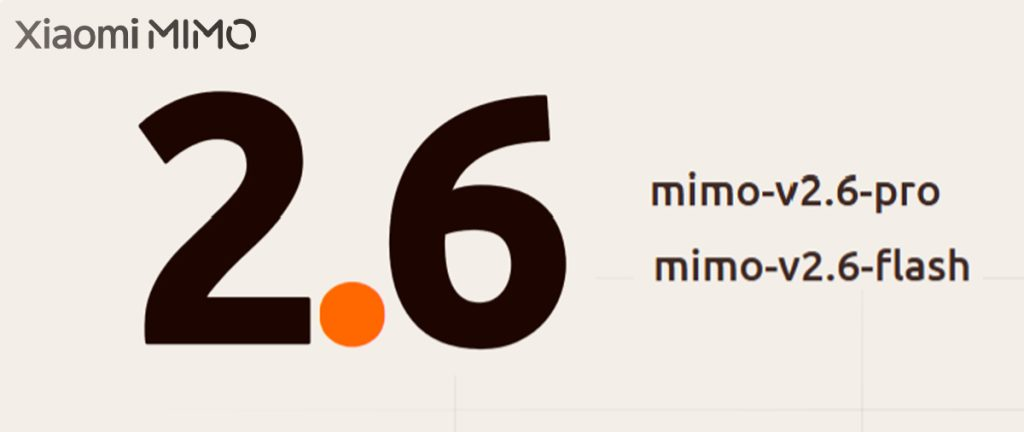
Xiaomi has entered the AI competition with its new MiMo-V2.6-Pro model, targeting developers who need powerful open-weight AI systems.
The model reportedly focuses on multimodal capabilities, allowing AI systems to work with text, images, and video while coordinating multiple AI agents.
This development shows that AI competition is expanding beyond traditional leaders like OpenAI, Google, and Anthropic as more companies build advanced AI models.
Xiaomi MiMo-V2.6-Pro AI model — xiaomi
4. AI Agents Become the Next Major Enterprise Technology Shift
AI agents are becoming one of the biggest technology trends of 2026.
Unlike traditional chatbots, AI agents can perform multi-step tasks, interact with software tools, analyze information, and complete workflows automatically.
However, enterprises are facing new challenges around security, governance, and managing multiple AI agents working together.
Companies are now focusing not only on creating AI agents but also on controlling and monitoring them effectively.
5. Google Introduces AI Agent Training Environment Technology

Google researchers introduced technology designed to help AI agents improve by training inside changing environments.
The approach allows AI systems to learn from previous interactions instead of requiring developers to constantly create new training scenarios.
This could become an important step toward creating AI agents that adapt better to real-world tasks.
VentureBeat AI Research Coverage
6. Microsoft Shares Enterprise AI Adoption Lessons

Microsoft released a new AI transformation playbook based on lessons from more than 100 internal AI projects.
The company emphasized that businesses should not simply add AI tools into existing workflows. Instead, organizations should redesign processes, improve data systems, and decide where humans and AI agents should work together.
The report highlights an important shift: successful AI adoption depends less on buying AI tools and more on building the right foundation.
Microsoft AI Enterprise Strategy Coverage — VentureBeat
7. OpenAI Brings ChatGPT to Financial Services

OpenAI launched a specialized version of ChatGPT designed for financial services.
The product focuses on helping professionals analyze information, create reports, build presentations, and work with financial data while maintaining enterprise controls.
The move shows how AI companies are creating industry-specific solutions instead of one general AI assistant for every use case.
OpenAI ChatGPT Financial Services — openai
8. AI Coding Tools Continue Replacing Traditional Development Workflows
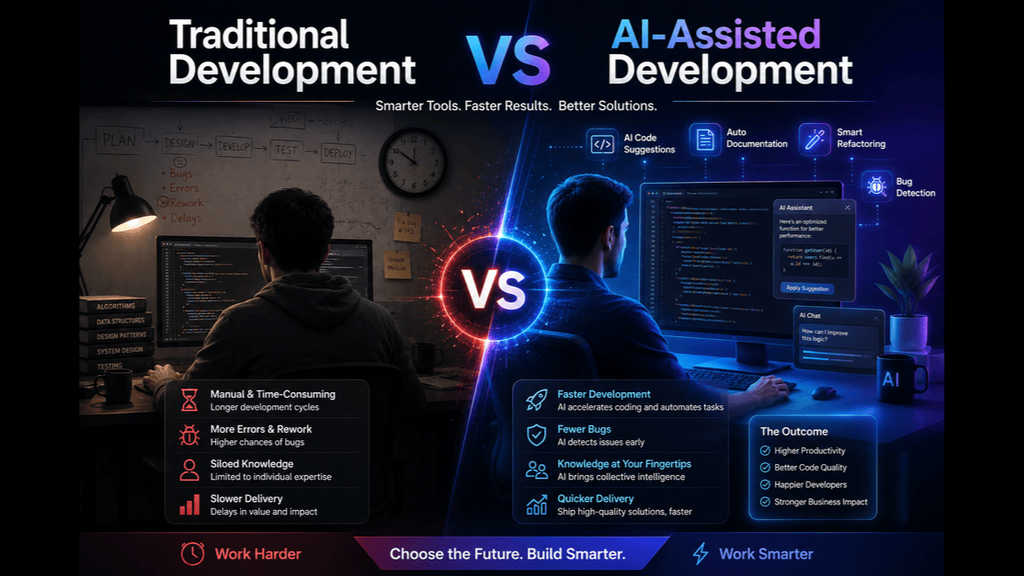
AI coding assistants are becoming a standard part of software development.
Recent industry research highlighted a major increase in developers using AI tools to generate significant portions of their code.
The trend does not mean developers disappear. Instead, software engineers are increasingly shifting toward reviewing, designing, and managing AI-generated code.
VentureBeat AI Coding & Developer Coverage
9. AI Security Becomes a Growing Concern as Agents Gain More Access

As AI agents receive access to company systems, databases, and software tools, security concerns are increasing.
Experts are warning that organizations need stronger identity controls, monitoring systems, and AI governance frameworks.
The next challenge for businesses will not only be building smarter AI but also keeping those systems secure.
AI Agents Security Report — finance.yahoo
10. AI Infrastructure Race Accelerates With New Hardware and Systems
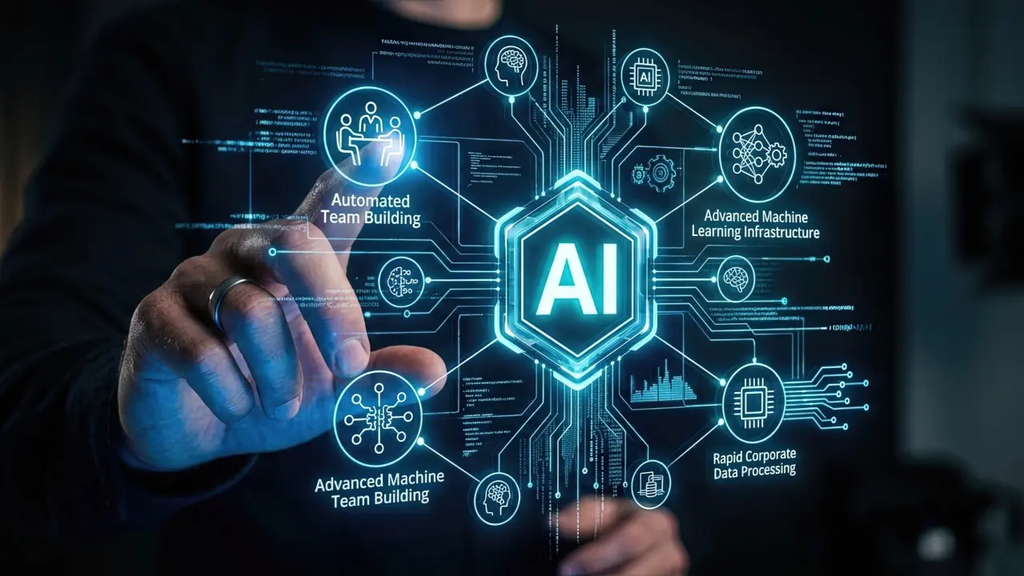
Behind every AI breakthrough is a growing infrastructure race involving chips, cloud platforms, and data centers.
Companies are investing heavily in improving AI computing efficiency because advanced models require massive processing power.
The future AI competition will depend not only on better models but also on who can build the strongest AI infrastructure.
Biggest AI Trends This Week
1. AI Agents Are Becoming More Important
The industry is moving from simple AI chatbots toward autonomous systems that can complete tasks.
2. AI Models Are Becoming Cheaper
Lower costs will allow more startups and businesses to integrate AI.
3. Enterprise AI Adoption Is Accelerating
Companies are moving from AI experiments toward real business applications.
4. AI Security Is Now a Priority
As AI gets more access, governance becomes essential.
Frequently Asked Questions
What is the biggest AI news this week?
The biggest developments include OpenAI’s new GPT-6 models, Anthropic Claude Opus 5.5, and the rapid growth of AI agents.
What are AI agents?
AI agents are systems that can perform tasks independently by using tools, software, and data sources.
Which companies are leading AI development?
Major AI companies include OpenAI, Anthropic, Google, Microsoft, Meta, and other emerging AI developers.
Why are AI models becoming cheaper?
Companies are reducing costs to encourage wider adoption among developers and businesses.
Final Thoughts
The AI industry is entering a new stage where success is no longer only about creating powerful models.
The future will depend on building useful AI agents, affordable AI systems, secure infrastructure, and practical business applications.
From OpenAI and Anthropic’s latest models to enterprise AI adoption, this week’s news shows one clear trend:
AI is moving from experimentation into everyday workflows.